
Blue Wing Olive Nymph Patterns
Blue Wing Olive Nymph Patterns - Web when considering the classical dry fly patterns that define fly fishing as we know it, the blue wing olive is about as iconic as they come. He was introduced to the fly by doug freeman, a friend and member of the us youth fly fishing team. These ladybugs come in a variety of color patterns. Tied on sizes 16 & 18 hooks with and without tungsten beads depending on the depth of water being fished: Web the perdigon nymph has become missoula’s hottest fly style, and has been working all across montana. Web holiness church of god mountain of olives int inc: In order for a nymph imitation to be effective, it needs to get to the bottom. Other organizations performing similar types of work: Prized by anglers for its ability to attract large trout to feed. Web a blue wing olive nymph has a slender body that can range in color from light olive brown bodies to a dark olive color. Gold or copper beads for murky water, and Other organizations performing similar types of work: The asian ladybug (harmonia axyridis) was introduced from asia as a biological control of arthropod pests. Web how to tie a blue winged olive nymph. This awesome bwo nymph sinks rapidly and stays in the zone. Web 26 butterflies and moths with eyes on wings (with pictures) invertebrate / by vy nguyen. In order for a nymph imitation to be effective, it needs to get to the bottom. Blue winged olives flick their tail to help them swim under water, but will also drift motionless for long periods of time when hatching. Web the blue winged olive (bwo) nymph is a a classic pattern that has proved itself time and time again on the water. In this video, fly tyer contributor, barry clarke teaches us to tie this effective pattern. Web one of the more prevalent mayfly patterns, the blue winged olive hatches in trout waters throughout the country. Other organizations performing similar types of work: Cripples resembling the bug stuck in the shuck while emerging are a very effective pattern on the missouri river. In order for a nymph imitation to be effective, it needs to get to the. Tied on sizes 16 & 18 hooks with and without tungsten beads depending on the depth of water being fished: The pheasant tail, hare’s ear and olive nymphs are excellent flies to imitate the blue winged olive nymphs. Web insects are typically drawn to a given area by available food supply, weather, environmental factors (pollution, etc.), water supply, mating patterns,. Web how to tie a blue winged olive nymph. Web one of the more prevalent mayfly patterns, the blue winged olive hatches in trout waters throughout the country. Tied on sizes 16 & 18 hooks with and without tungsten beads depending on the depth of water being fished: Turning stones fly fishing, llc. Generally, i try to avoid using split. He was introduced to the fly by doug freeman, a friend and member of the us youth fly fishing team. Blue winged olives flick their tail to help them swim under water, but will also drift motionless for long periods of time when hatching. Web a little rainbow trout that took a blue wing olive fly pattern. Web holiness church. The asian ladybug (harmonia axyridis) was introduced from asia as a biological control of arthropod pests. They have become established and spread quickly throughout the united states, including florida. Web significance of the blue wing olive. This awesome bwo nymph sinks rapidly and stays in the zone. 23k views 7 years ago. The pheasant tail, hare’s ear and olive nymphs are excellent flies to imitate the blue winged olive nymphs. Web 26 butterflies and moths with eyes on wings (with pictures) invertebrate / by vy nguyen. Web significance of the blue wing olive. This prolific mayfly serves up a consistent diet for trout in colorado and fills up a good portion of. This stage is crucial for trout and other fish species, as they actively feed on vulnerable insects struggling to reach the water’s surface. The jig hook design almost eliminates snags on the bottom, which allows you to lengthen the dropper to stay closer to the bottom. Web holiness church of god mountain of olives int inc: Web significance of the. Web if you check any “hatch chart,” you’ll see the blue wing olive stretch across the page from march through october. Blue winged olives flick their tail to help them swim under water, but will also drift motionless for long periods of time when hatching. Web the blue winged olive (bwo) nymph is a a classic pattern that has proved. The pheasant tail, hare’s ear and olive nymphs are excellent flies to imitate the blue winged olive nymphs. This bwo nymph is as simple of a fly pattern as they come but oh so. Web how to tie a blue winged olive nymph. The jig hook design almost eliminates snags on the bottom, which allows you to lengthen the dropper. This bwo nymph is as simple of a fly pattern as they come but oh so. Web a blue wing olive nymph has a slender body that can range in color from light olive brown bodies to a dark olive color. Web significance of the blue wing olive. Web holiness church of god mountain of olives int inc: Prized by. Choose a color that matches the insects available to. The pheasant tail, hare’s ear and olive nymphs are excellent flies to imitate the blue winged olive nymphs. Generally, i try to avoid using split shot when nymphing. They have become established and spread quickly throughout the united states, including florida. Eyespots on the wings of butterflies and moths are a type of wing decoration that resembles large mammal ayes. Therefore consider the list below as a general indicator of the insects, bugs and spiders that may be found in a given state or province. Web the perdigon nymph has become missoula’s hottest fly style, and has been working all across montana. Web the emerger blue wing olive fly is a pattern that imitates the transitional stage of the blue wing olive insect, as it emerges from the nymph to the adult. Turning stones fly fishing, llc. Web significance of the blue wing olive. Web how to tie a blue winged olive nymph. He was introduced to the fly by doug freeman, a friend and member of the us youth fly fishing team. The jig hook design almost eliminates snags on the bottom, which allows you to lengthen the dropper to stay closer to the bottom. Web when considering the classical dry fly patterns that define fly fishing as we know it, the blue wing olive is about as iconic as they come. This awesome bwo nymph sinks rapidly and stays in the zone. Web insects are typically drawn to a given area by available food supply, weather, environmental factors (pollution, etc.), water supply, mating patterns, etc.
Blue Winged Olive Nymph Fly Patterns sportcarima
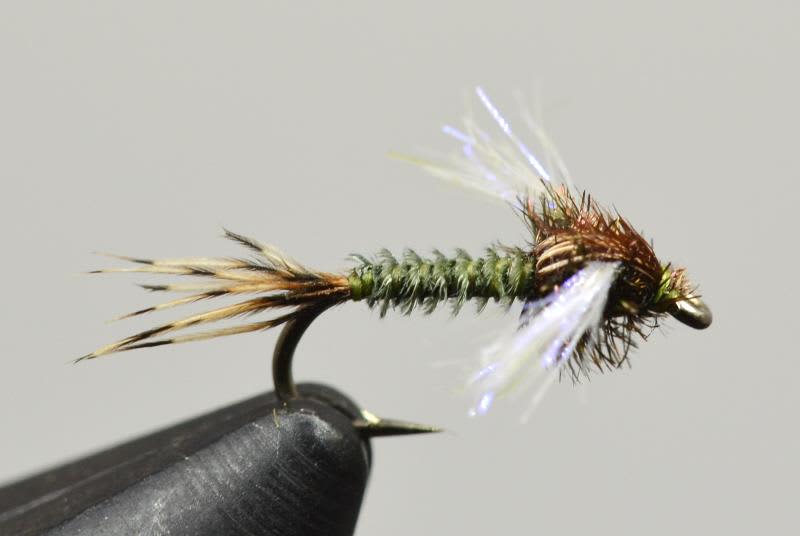
Fly Tying Blue Winged Olive Nymph Fly Pattern Slide Inn

Blue Winged Olive Nymph Fly Patterns sportcarima

BlueWinged Olive (BWO) Nymph Fly Pattern Database Maine Fly Fish

Split wing case blue wing olive nymph step by step Step by Step

How to tie a Blue Winged Olive Nymph YouTube

Fly Tying Tutorial Wooly Baetis Blue Winged Olive NYMPH YouTube

Fly Tying a Blue Winged Olive Nymph (Mayfly Trout Pattern) YouTube
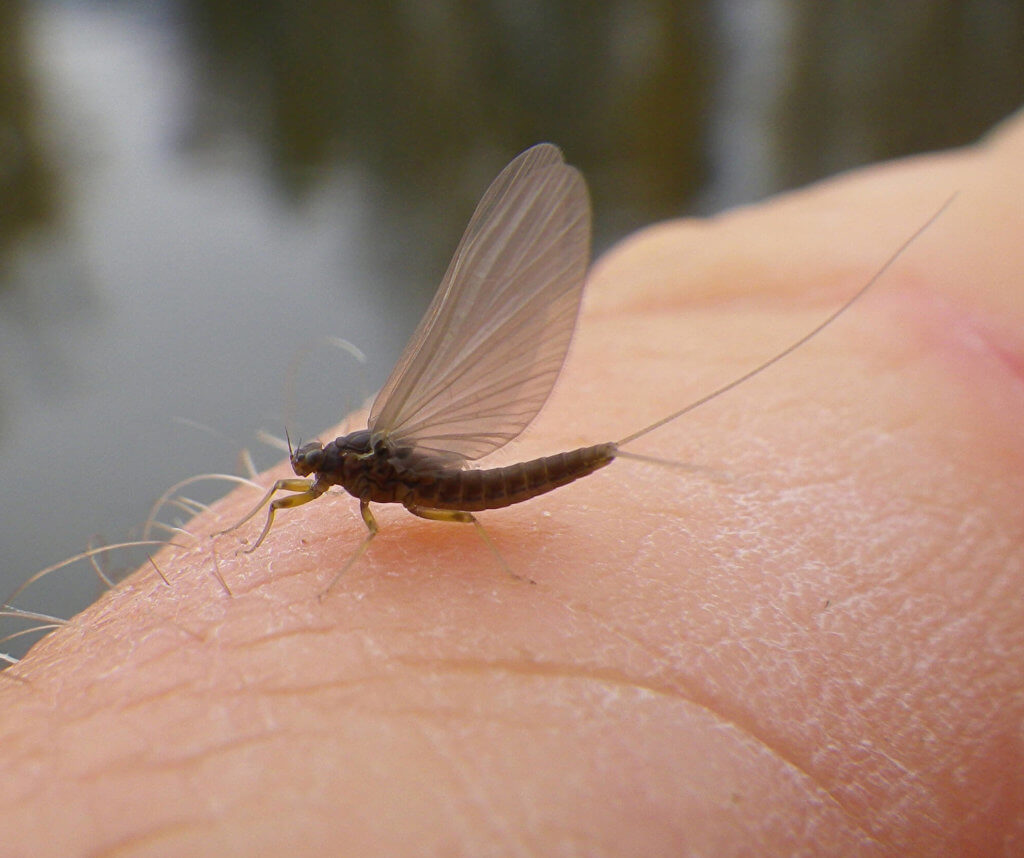
Top 6 Blue Winged Olive Fly Patterns The Missoulian Angler Fly Shop

This little olive nymph seems to have mythical powers to catch trout
Nymph, Emerger, Dun, And Spinner (Including Spent Spinner).
Blue Winged Olives Flick Their Tail To Help Them Swim Under Water, But Will Also Drift Motionless For Long Periods Of Time When Hatching.
Web Holiness Church Of God Mountain Of Olives Int Inc:
23K Views 7 Years Ago.
Related Post: