
Si Joint Referred Pain Patterns
Si Joint Referred Pain Patterns - Sacroiliitis can cause pain and stiffness in the buttocks or lower back, and the. Using this area as reference, this was confirmed in a second study in chronic lbp patients suspected of having si joint pain. Web sacroiliac joint dysfunction is a term used to describe the pain of the sacroiliac joint (si joint). Web 11 min read. Web sacroiliac (si) joint dysfunction describes pain due to abnormal movement (too much or too little) or misalignment of the si joint. Pain referred from the sacroiliac joint (sij) may originate in the joint's posterior ligamentous region. 72% reported lower lumbar pain. It can cause sharp, stabbing pain that starts in the hips and pelvis and radiates into the lower back and down the thighs. Web pain patterns of the chest, back, shoulder, scapula, pelvis, hip, groin, and sacroiliac (si) joint are the most common sites of referred pain from a systemic disease process. It is usually caused by abnormal motion (i.e. Patients with sacroiliac joint dysfunction describe their pain being aggravated by getting out of a chair, prolonged standing or sitting, with climbing stairs or. Adjacent structures, such as the piriformis muscle, sciatic nerve, and l5 nerve root, may be affected by intrinsic joint disease and can become active nociceptors. In reality, only the anterior third of the interface between the sacrum and ilium is a true synovial joint; The sacroiliac (si) joint, a vital connection between the spine and pelvis, plays a key role in load distribution and spinal stability. Web characterize the pain referral patterns of patients with sijs who demonstrated a positive response to a fluoroscopically guided diagnostic sacroiliac joint injection. Web pain from the sij is localized to an area of approximately 3 cm × 10 cm that is inferior to the ipsilateral posterior superior iliac spine. Sacroiliac joint pain can be from trauma, pregnancy, repetitive stress, sports, and following spinal surgery. A quarter of low back pain could be originating from the sacroiliac joint [1]. Learn more about the symptoms, causes, and treatment of si joint pain. Web 11 min read. This study aimed to determine the exact origin of pain referred from four sij sections. Learn more about the symptoms, causes, and treatment of si joint pain. Patients with sacroiliac joint dysfunction describe their pain being aggravated by getting out of a chair, prolonged standing or sitting, with climbing stairs or. Sacroiliac joint pain can be from trauma, pregnancy, repetitive. Web si joint pain is commonly referred to the buttocks, lower lumbar region, groin, and lateral thigh. Web pain patterns of the chest, back, shoulder, scapula, pelvis, hip, groin, and sacroiliac (si) joint are the most common sites of referred pain from a systemic disease process. Pain arising from the sacroiliac joint is one of the potential causes of axial. Pain arising from the sacroiliac joint is one of the potential causes of axial low back pain. Web found a composite area of 3 × 10 cm, just inferior to the posterior superior iliac spine (psis), interpreted as specific for si joint pain. Patients with sacroiliac joint dysfunction describe their pain being aggravated by getting out of a chair, prolonged. Using this area as reference, this was confirmed in a second study in chronic lbp patients suspected of having si joint pain. Other potential contributors include spinal scoliosis, leg length discrepancy, and previous lumbar spine fusion. In reality, only the anterior third of the interface between the sacrum and ilium is a true synovial joint; The sacroiliac (si) joint, a. Sometimes, referred pain is associated with secondary hyperalgesia and trophic changes. Typically, referred pain is described as dull, aching, gnawing, annoying, drilling, or pressing (1, 55). Adjacent structures, such as the piriformis muscle, sciatic nerve, and l5 nerve root, may be affected by intrinsic joint disease and can become active nociceptors. Pain arising from the sacroiliac joint is one of. Web 11 min read. A complete history and physical examination are critical in differentiating other. Learn more about the symptoms, causes, and treatment of si joint pain. It can cause sharp, stabbing pain that starts in the hips and pelvis and radiates into the lower back and down the thighs. Patients with sacroiliac joint dysfunction describe their pain being aggravated. Using this area as reference, this was confirmed in a second study in chronic lbp patients suspected of having si joint pain. Other potential contributors include spinal scoliosis, leg length discrepancy, and previous lumbar spine fusion. Web si joint pain is commonly referred to the buttocks, lower lumbar region, groin, and lateral thigh. 72% reported lower lumbar pain. Learn more. Web sij dysfunction generally refers to aberrant position or movement of sij structures that may or may not result in pain. Fifty consecutive patients who satisfied clinical criteria and demonstrated a positive diagnostic response to a fluoroscopically guided sacroiliac joint injection were included. 28% experienced pain extending below the knee. Web pain patterns of the chest, back, shoulder, scapula, pelvis,. Sometimes, referred pain is associated with secondary hyperalgesia and trophic changes. This paper aims to clarify the difference between these clinical concepts and present current available evidence regarding diagnosis and treatment of sij disorders. The site of referred pain may depend on which sij section is affected. Web sacroiliac (si) joint dysfunction is a common cause of low back pain. Pain referred from the sacroiliac joint (sij) may originate in the joint's posterior ligamentous region. Web pain patterns of the chest, back, shoulder, scapula, pelvis, hip, groin, and sacroiliac (si) joint are the most common sites of referred pain from a systemic disease process. The rest of the junction is comprised of an intricate set of ligamentous connections. Sacroiliitis can. Web sacroiliac joint pain is among the most common causes of low back pain. Adjacent structures, such as the piriformis muscle, sciatic nerve, and l5 nerve root, may be affected by intrinsic joint disease and can become active nociceptors. Patients with sacroiliac joint dysfunction describe their pain being aggravated by getting out of a chair, prolonged standing or sitting, with climbing stairs or. A complete history and physical examination are critical in differentiating other. Sacroiliitis can cause pain and stiffness in the buttocks or lower back, and the. Web sij dysfunction generally refers to aberrant position or movement of sij structures that may or may not result in pain. Web sacroiliac (si) joint dysfunction describes pain due to abnormal movement (too much or too little) or misalignment of the si joint. Using this area as reference, this was confirmed in a second study in chronic lbp patients suspected of having si joint pain. Sacroiliac joint pain can be from trauma, pregnancy, repetitive stress, sports, and following spinal surgery. Web pain from the sij is localized to an area of approximately 3 cm × 10 cm that is inferior to the ipsilateral posterior superior iliac spine. A quarter of low back pain could be originating from the sacroiliac joint [1]. It can cause sharp, stabbing pain that starts in the hips and pelvis and radiates into the lower back and down the thighs. Web the variable patterns of pain referral observed may arise for several reasons, including the joint's complex innervation, sclerotomal pain referral, irritation of adjacent structures, and varying locations of injury with the sacroiliac joint. Web sacroiliac joint dysfunction is a term used to describe the pain of the sacroiliac joint (si joint). The sacroiliac (si) joint, a vital connection between the spine and pelvis, plays a key role in load distribution and spinal stability. This study aimed to determine the exact origin of pain referred from four sij sections.
Typical Pain Referral Pattern Of Sacroiliac Joint Pai vrogue.co

Pain referral from the sacroiliac joint. Van der Wurff et al., 2006 [33
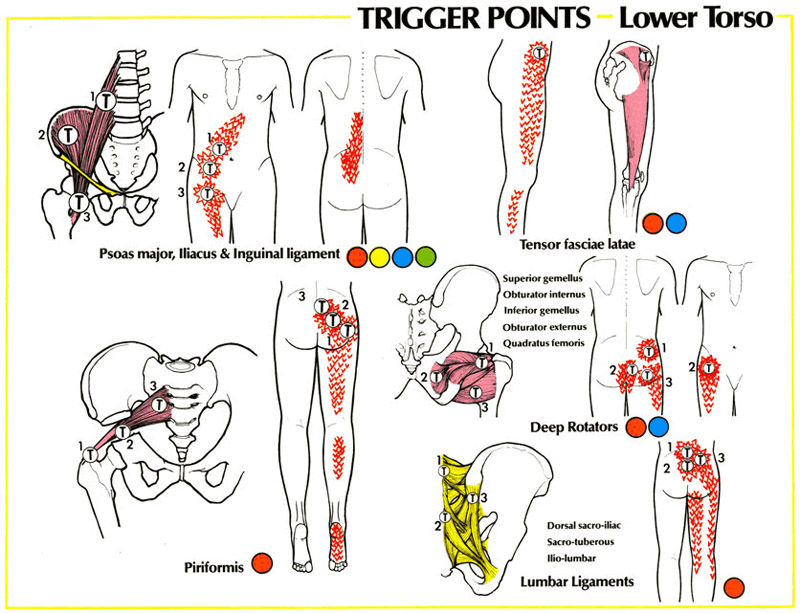
Sciatica GadiBody
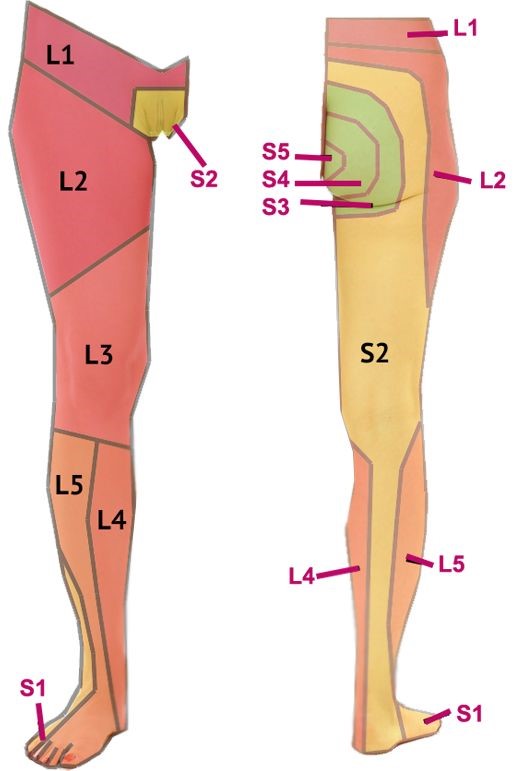
The Referral Patterns of the Sacroiliac Joint, Facet Joints, and
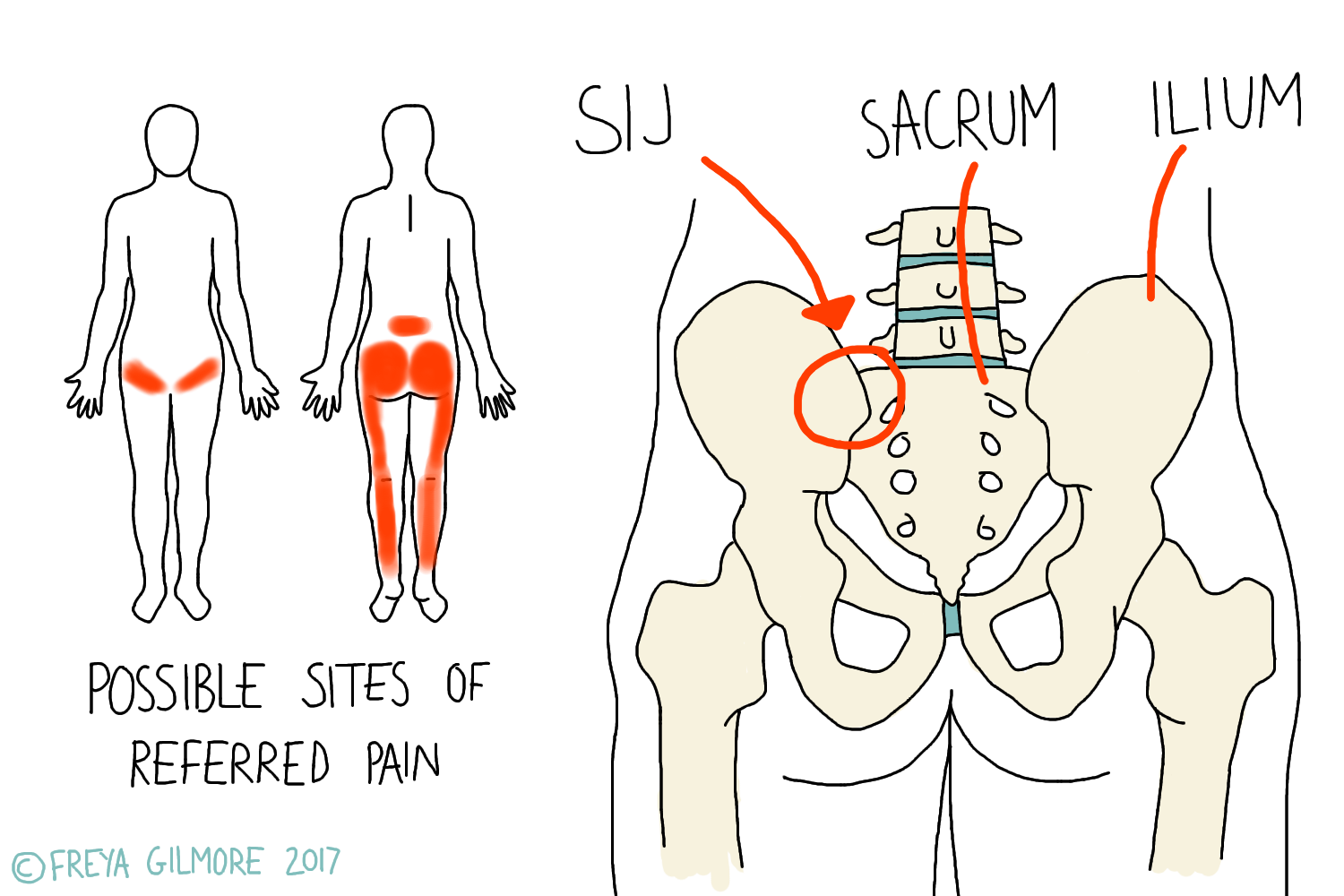
The Sacroiliac Joint (SIJ) Beth Forrest Osteopathy

Sacroiliac Joint Referred Pain
:max_bytes(150000):strip_icc()/sacroiliac-joint-pain-189250-V1-5d9c0b81b3294cb69347d22ef581d05d.jpg)
Sacroiliac Joint Pain Symptoms, Causes, and Treatment
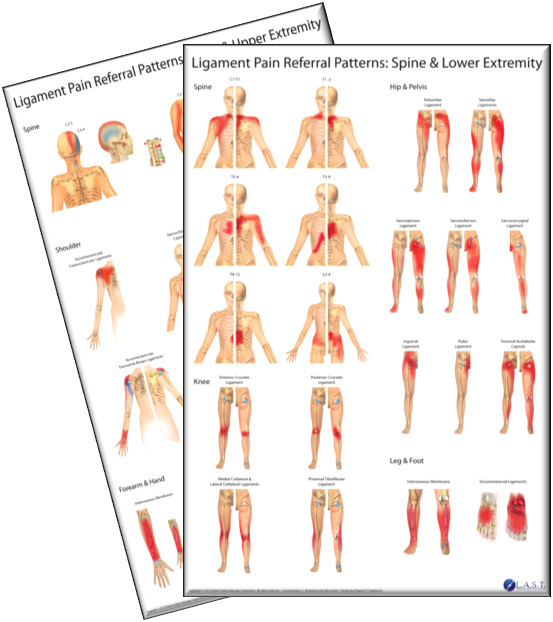
Sacroiliac Joint Referred Pain
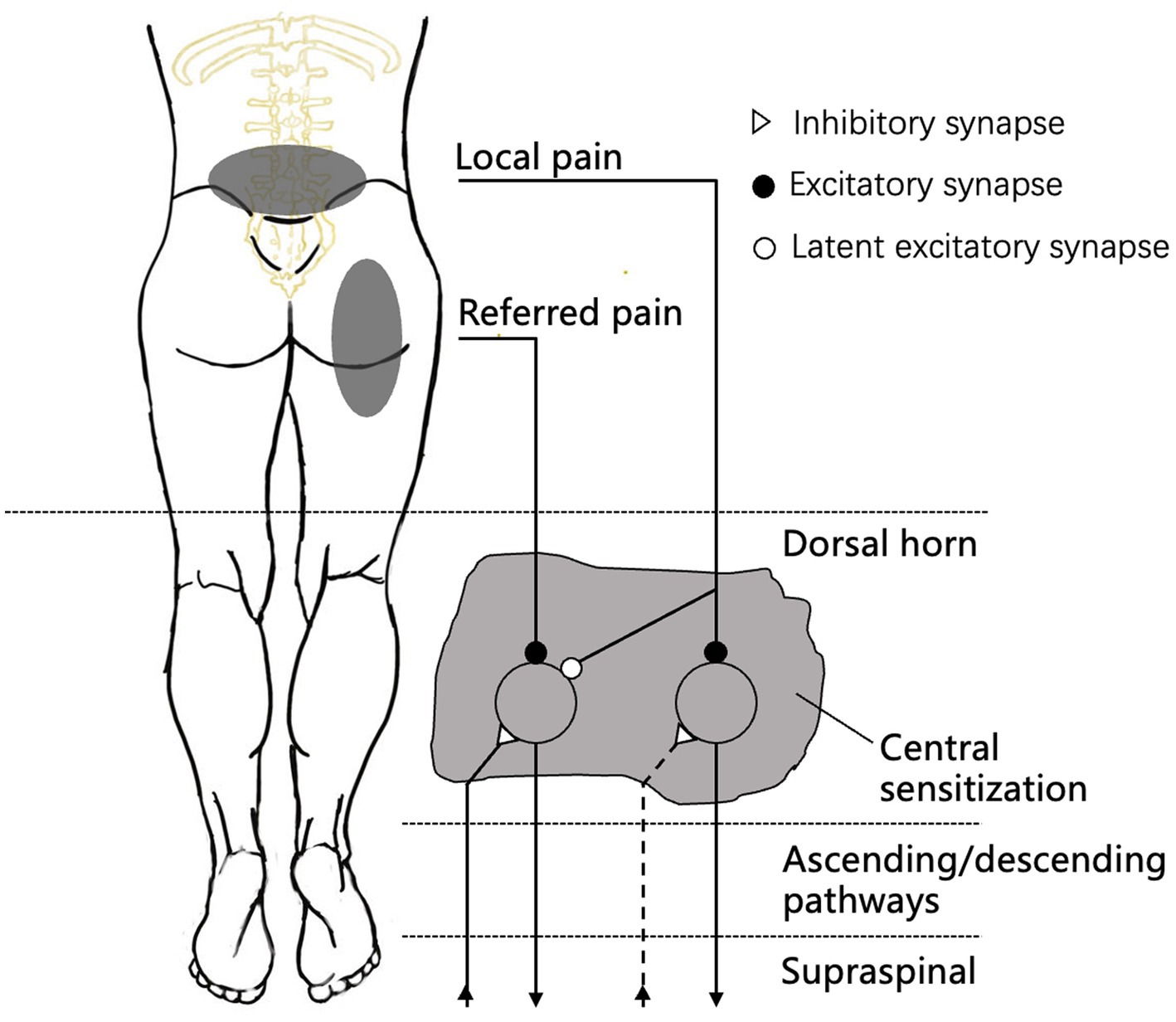
Si Joint Pain Referral Patterns

Typical pain referral pattern of sacroiliac joint pain (illustration
Fifty Consecutive Patients Who Satisfied Clinical Criteria And Demonstrated A Positive Diagnostic Response To A Fluoroscopically Guided Sacroiliac Joint Injection Were Included.
The Rest Of The Junction Is Comprised Of An Intricate Set Of Ligamentous Connections.
28% Experienced Pain Extending Below The Knee.
Sometimes, Referred Pain Is Associated With Secondary Hyperalgesia And Trophic Changes.
Related Post: